SAD is an acronym for "Sitefinity As a Database". I use it to describe projects that were not done properly - or were not done by Sitefinity professionals at all. In some cases, a tight budget or time pressure might justify that. But in most cases, it quickly turns into a disaster.
To help avoid that, here is a simple checklist to generate the right questions before you start.
1. If You Don't Need a Sitefinity Partner, Do You Need Sitefinity?
Sitefinity suits certain types of projects - and is arguably too much for others. If you have a small brochure site, WordPress might be the better fit. On the other hand, if you plan to run hundreds of regional sites or an online empire of properties, Sitefinity's multisite module may actually save you significant time and effort.
There are many cases where Sitefinity is an excellent choice. A few where it is the only sensible choice. And quite a few where it is not the right choice at all.
Does saying this hurt our business? Yes and no. Yes, because some people may realise they need something else. No, because working on projects where Sitefinity is the wrong fit is a waste of time, money and nerves for everyone involved - and nobody ends up happy.
2. Is Your Expert an Expert - or an "Expert"?
There are many companies that do Sitefinity development to some degree - and there are some genuinely excellent Sitefinity companies and individuals. So look at the portfolio. Does it include Sitefinity work? Is it the same version you plan to use? Does the company have experience with projects similar to yours, or at least in the same industry?
3. What About Training?
Although Sitefinity is a relatively easy system to use, custom development on top of it can introduce workflows and behaviours your content editors need to understand. Does the company you are working with offer training? Do they commit to comprehensive documentation of what was built?
4. What About Aftercare?
Some companies consider the project complete once they have deployed to a server, configured DNS and confirmed the site loads. But that is not the end of the project - it is the start. That is the point at which you should begin to see a return on your investment, and you need someone in your corner when things come up.
5. Bonus - A Real Example of SAD in Action
A company was hired to build a Sitefinity website. Their task included creating a new content type - think a list of cars, knowledge base articles, or similar. The problem was they were not experienced with Sitefinity, so they took the generic .NET approach: a few custom database tables, a few screens to manage the data, and a few screens to display it on the front end. They did not know about the Sitefinity Module Builder and the heavy lifting it does automatically. They missed the deadline slightly, but they delivered.
A few months later, the client asked for a new field. Then for the ability to translate each item. Then for granular permissions - content editors in the UK managing only UK items, and editors in Australia managing only Australian items (both in English).
Every one of those requests was a nightmare for the development company to implement. All while the client was paying for a Sitefinity licence worth several thousand dollars - a licence that included the Module Builder functionality they never used.
That is SAD.
Related Posts

Custom MCP vs. Off-the-Shelf: When Does Building Your Own Make Sense?
Generic MCP connectors exist for popular tools. But when your system is proprietary or your workflow...
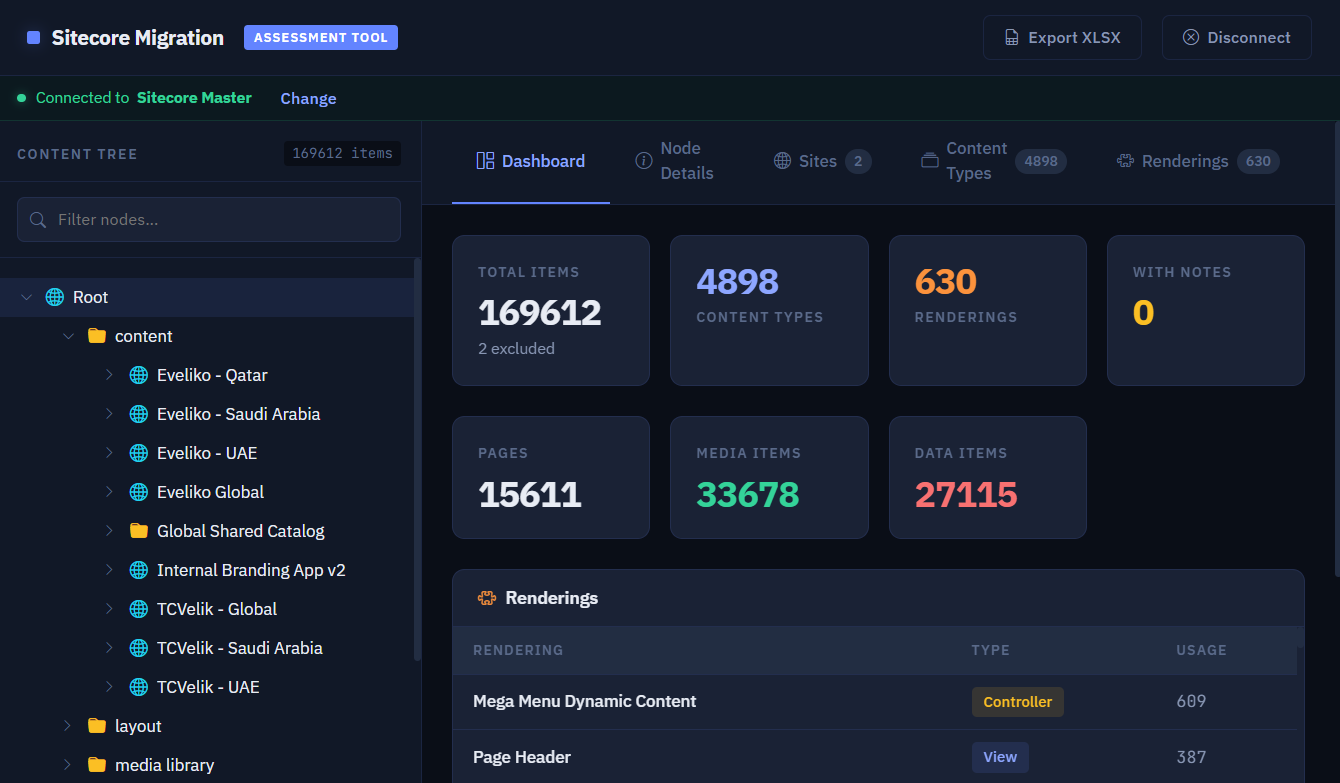
Chameleon v1.2 Released - Sitecore Improvements and SharePoint Migration Preview
Chameleon v1.2 is here - with improved Sitecore assessment accuracy, a preview of the upcoming Share...
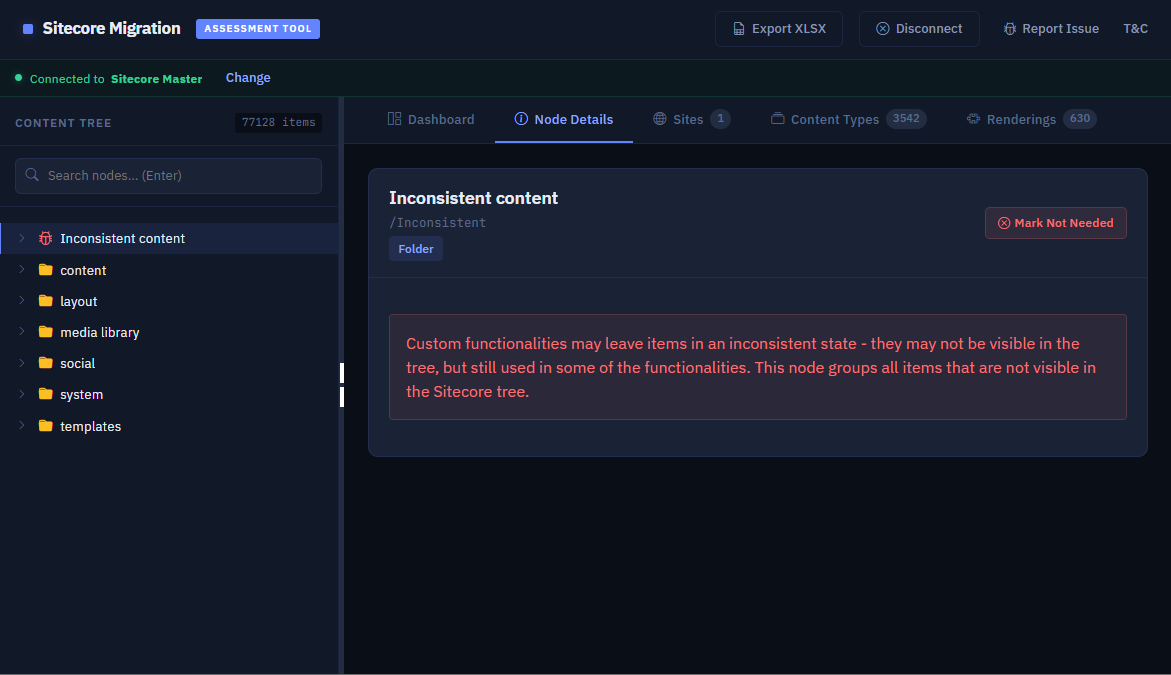
What to Expect in Chameleon Self Assessment Tool 1.2.0
Chameleon 1.2.0 lands on March 23, 2026. Here is what is coming - Sitecore accuracy fixes, sub-10-se...