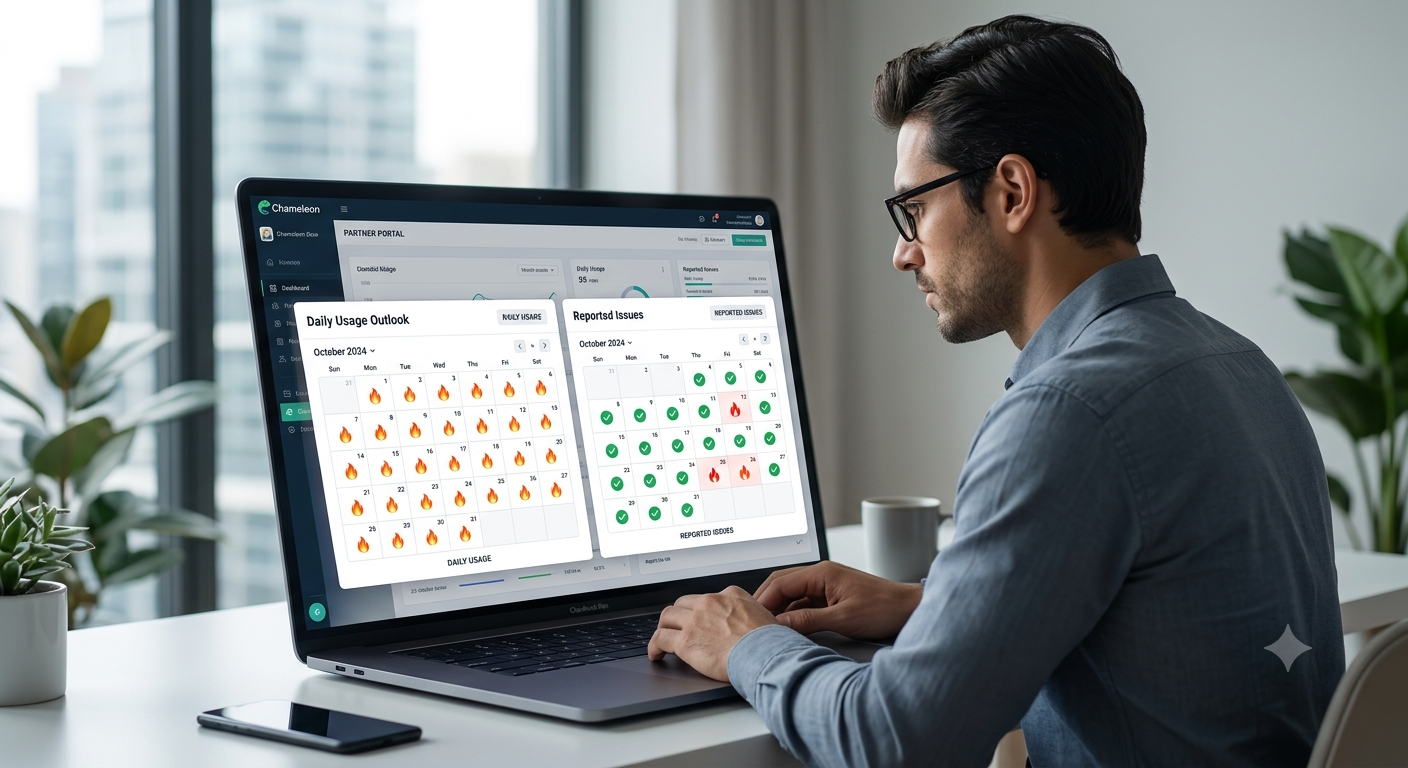
We pulled a single random week from the NVD CVE feed - June 8 to June 15, 2026 - and counted how many critical and high-severity vulnerabilities mentioned four CMS platforms. WordPress was referenced in 24 of them. Sitefinity, Umbraco, and Sitecore, in zero.
The number itself is the headline. What it costs to deal with is the rest of the story.
What the triage actually costs
That is not a typo and not a sampling fluke. It is the structural cost of running a platform with tens of thousands of third-party plugins and themes, almost none of them held to enterprise security review. Each of those 24 CVEs is a separate decision a security person has to make: do we run that plugin, on which sites, at which version, is it exploitable in our configuration, what is the patch path, what gets logged for the audit trail.
A realistic estimate of that work, for a small portfolio of WordPress sites:
With a maintained plugin inventory: 5 to 15 minutes per CVE - open the advisory, find the plugin name and affected version, query your inventory, decide. Longer when the plugin slug is not in the description and you have to cross-reference Wordfence or Patchstack to identify what is being described.
Without one: 45 to 90 minutes per CVE, because every check becomes "log into each site, look at the plugins page, compare versions manually".
For a 10-site portfolio with inventory, expect 10 to 20 minutes per CVE on average.
Across 24 CVEs in one week, that lands between 4 and 8 hours of work, assuming you have inventory.
Annualized: 3 to 6 working days per month, just on the WordPress slice of the CVE feed.
And the inventory itself is not free. Plugins get installed, replaced, abandoned, and updated continuously. Sites get spun up and decommissioned. Different teams manage different properties. Keeping a plugin inventory accurate enough to be useful for CVE triage is a separate piece of work, typically 1 to 2 hours per week of upkeep for a 10-site portfolio, more if responsibility is distributed.
So the real annual cost of doing this properly is the triage hours plus the inventory hours plus the audit-log hours. The headline 4 to 8 hours per week is the optimistic floor, not the ceiling.
For the same week, the equivalent number for Sitefinity, Umbraco, and Sitecore was zero. Not because nothing was published, but because nothing was published that touched those platforms.
The week in numbers
Date | WordPress (CRITICAL) | WordPress (HIGH) | Sitefinity | Umbraco | Sitecore |
|---|---|---|---|---|---|
Jun 8 | 3 | 2 | 0 | 0 | 0 |
Jun 9 | 1 | 12 | 0 | 0 | 0 |
Jun 10 | 1 | 1 | 0 | 0 | 0 |
Jun 11 | 0 | 1 | 0 | 0 | 0 |
Jun 12 | 0 | 0 | 0 | 0 | 0 |
Jun 13 | 0 | 3 | 0 | 0 | 0 |
Jun 14 | 0 | 0 | 0 | 0 | 0 |
Jun 15 | 0 | 0 | 0 | 0 | 0 |
Total | 5 | 19 | 0 | 0 | 0 |
Source: NVD CVE feed, queried via Eveliko's Themis platform, June 8 to June 15, 2026 (UTC).
This is not "enterprise CMS is invulnerable"
It is worth being precise about what this comparison actually shows. Sitefinity, Umbraco, Sitecore, and every other enterprise CMS ship CVEs. We ourselves coordinated a CVSS 9.8 patch across one of our largest client estates in May 2026, before this sample window opened. Sitecore has had its own share of notable advisories over the years, several of them remote code execution. Pull a different week and any of these platforms may not be zero. The point is not that enterprise CMSs have no vulnerabilities.
The point is signal-to-noise. A plugin marketplace is a trade-off:
More plugins means more functionality you do not have to build.
More plugins means lower upfront cost and faster time to launch.
More plugins also means more independent vendors, more code paths, more release cycles.
And more vendors means more CVEs published per week, the overwhelming majority of which do not apply to your specific stack.
The 24-to-0 number in our sample is the noise volume, not the danger differential. When a Sitefinity or Sitecore CVE ships, your security team has one item to evaluate and the vendor provides a clear advisory, patch, and version mapping. When 24 WordPress plugin CVEs ship, your team has 24 items to evaluate, sourced from 24 different vendors of wildly varying quality, with descriptions that often omit the plugin slug and require cross-referencing against Wordfence or Patchstack just to identify what is being described.
Both worlds have a security cost. The cost on WordPress is paid weekly, in triage hours that do not produce features. The cost on enterprise CMSs is paid in higher licensing and a smaller extension ecosystem. Which trade-off makes sense depends on what your team is actually optimized for.
Bottom line
If you are weighing WordPress against Sitefinity, Umbraco, or Sitecore for an enterprise build, ask the security team to cost the CVE triage workload over twelve months. That number is usually missing from the comparison, and it usually changes the answer.
At Eveliko we typically suggest two paths: If you have Sitefinity or you plan to implement it - go for Sitefinity.
If you look at smaller, simpler setup - Umbraco is the way to go.
If this post made you wonder what it would take to leave the triage tax behind, that is the problem Chameleon was built to solve. It is our migration tool that lifts WordPress sites into Sitefinity or Umbraco - structure, content, and all - so you can switch platforms without starting over.
Related Posts

Introducing BizOn: managed websites, built on what we do best
Eveliko and TCVelik introduce BizOn, a managed website service for small businesses, built on years ...
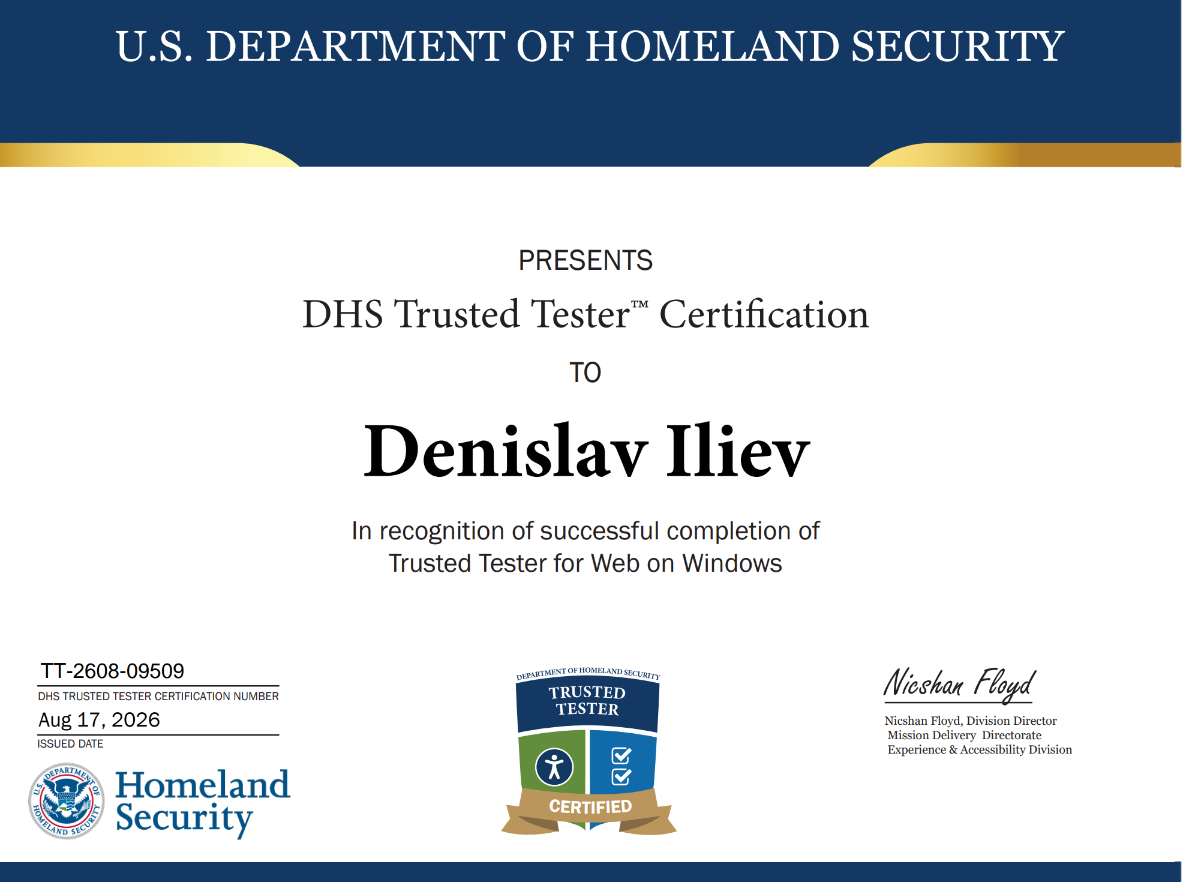
Eveliko expands accessibility practice: Denislav Iliev earns DHS Trusted Tester certification
Denislav Iliev has earned the DHS Trusted Tester for Web on Windows certification, adding structured...